Envisioning theological education across the world
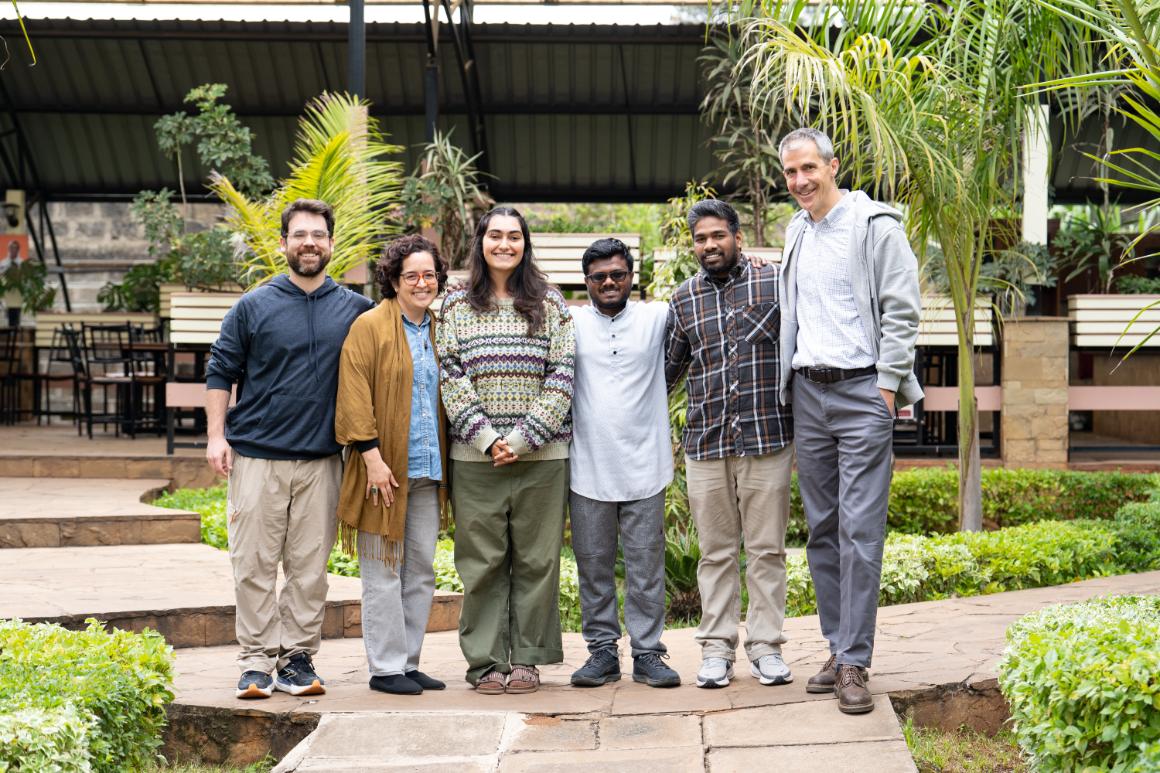
For four students at the Jesuit School of Theology (JST-SCU), it was truly the trip of a lifetime: a chance to look at their role at the leading Jesuit theologate both with a historical lens and with an eye for the Catholic Church of today.
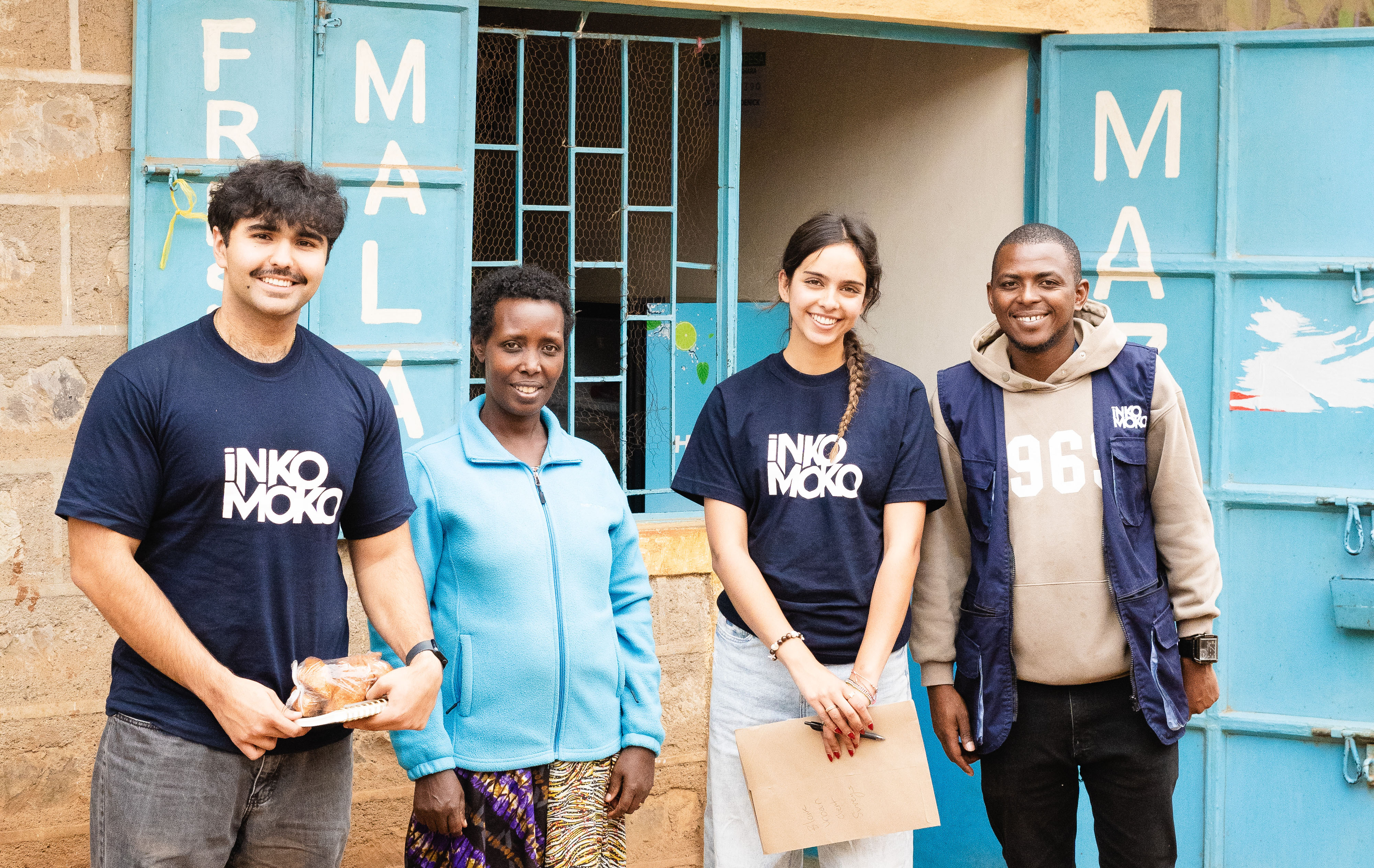
Last summer, the JST-SCU delegation joined groups from Jesuit theology centers across the world at Hekima University College in Nairobi, Kenya for a monthlong academic immersion trip. The course from the Collaborative Theology Initiative (CTI) was called “History and Charisms of the First Jesuits: Discovering Our Friends and Our Friendship in the Lord.” The students engaged in lectures on Jesuit history, pastoral ministry experiences, and forged lifelong friendships.
“The students wanted in-person immersion experiences to have direct contact with other students, to talk with one another and build relationships,” says CTI Program Manager Milady Casco.
Officially launched in 2025 and endorsed by Superior General Arturo Sosa, S.J., CTI brings together eight English-speaking theologates from six countries and spanning three continents, with plans to expand in the future. It is envisioned as an opportunity to foster a theological education that can fully support today’s Church in addressing global needs—from AI to climate change—while keeping cultures, languages, and perspectives in mind. The network’s central operations are currently based at JST-SCU, with Dean Agbonkhianmeghe E. Orobator, S.J., serving as CTI’s inaugural chair.
“The CTI seeks to facilitate pathways for unique learning and formation experiences that are contextual, transformative, and purposeful for our students, faculty, and staff across our global network of Jesuit theologates,” says Orobator.
Through collaborating on pedagogy and academic curriculums, sharing resources, and increasing opportunities for students between the schools, CTI embodies the spirit of synodality, a practice of mutual listening and inclusive participation, and responding to the specific needs of individual cultures and communities.
“We’re preparing and providing the tools necessary for students to be integral collaborators of today’s Church. That looks different in different contexts, in different countries you’re based in,” adds Casco. “Working with international partners on a global scale is fundamental not only to the strategic plan of our school, but the strategic plan of the University.”

Launched in 2025, the Collaborative Theology Initiative brings together Jesuit theology centers worldwide to support students as they become leaders in the Catholic Church of today.